Influencer Marketing: From Brand Awareness to Marketing Confidence

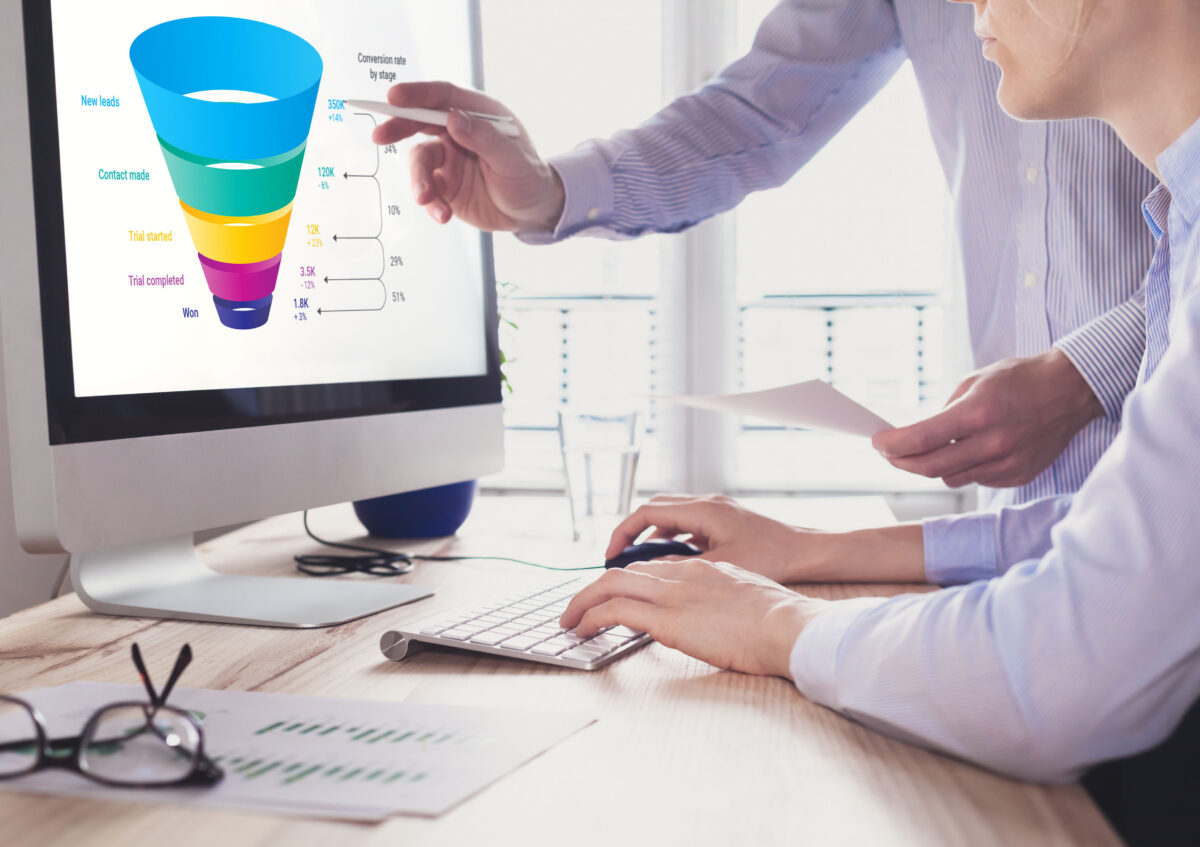
Marketers are quite comfortable generating sales leads that fill the top of the sales funnel. But when it comes to accelerating the conversion of these leads, the mission becomes more difficult. Influencer marketing has become a high-leverage opportunity for B2B and life science companies to achieve that goal.
Forrester Research reported that 75 percent of B2B companies will increase their budgets for influencer marketing in 2026. Forrester noted that buying groups and networks are increasingly relying on analysts and subject-matter experts for fact-based insights. A Buyers’ Journey survey confirmed this trend, identifying analyst reports and social media among the most commonly cited content assets that business buyers find useful.
Influencer marketing has become a highly effective strategy in any sales lead conversion toolkit. It offers the following benefits:
- Builds supplier trust and confidence in complex buying cycles
- Reaches difficult-to-access decision makers
- Accelerates pipeline velocity and shrinks sales cycles
- Enhances content credibility and engagement
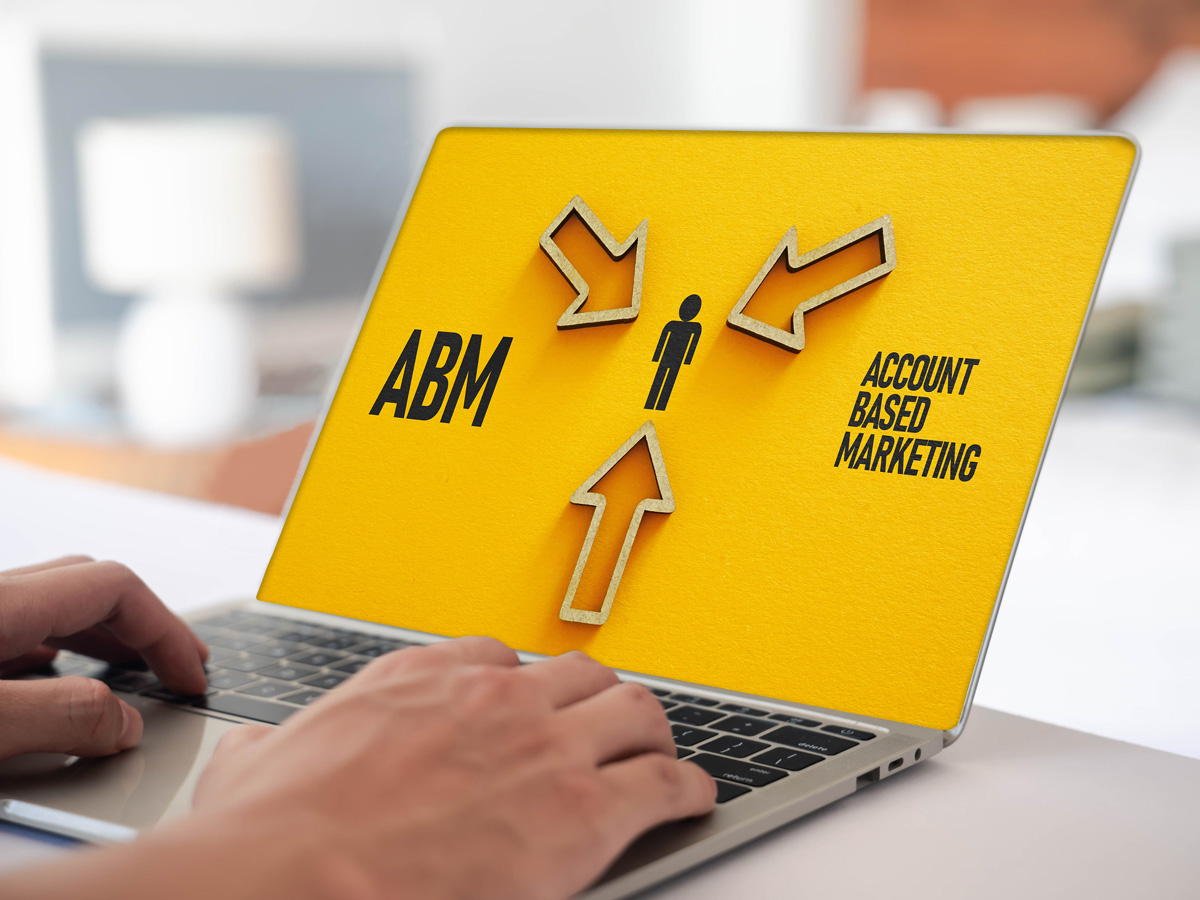
- Supports account-based marketing (ABM)
- Strengthens brand positioning and thought leadership
In addition, influencer marketing supports customer product and service comparison and validation, which are critical steps in the mid-funnel purchasing process.
TW’s Take
A strong B2B influencer program is really a credibility network that envelopes the brand. Start a pilot program, prioritize influencer relationships, and integrate it into a revenue marketing process. Influencer marketing feels expensive because the cost is high ($10,000 to $100,000+ per year), the attribution is difficult, and the results compound over time. That is why influencer pricing is 10% to 50% higher than B2C programs for similar audiences.
To maximize your investment, identify the “hidden” influencers that post consistently, have small, well-targeted audiences (5,000 to 20,000 followers), and generate strong engagement with your product/ service decision makers. These will be your highest ROI partnerships.
The best influencers aren’t always obvious—they are the people buyers already trust to interpret complex B2B and life science decisions. If you anchor your program around these ideas, you will find great success in building your brand and boosting sales pipeline velocity.
Tiziani Whitmyre has published an eGuide that explains how B2B and life science marketers can leverage influencers to help convert mid- and late-cycle prospects. It describes how to launch an influencer program, reviews influencer recruitment, and examines the costs. Download the eGuide: Influencer Marketing: From Brand Awareness to Buyer Confidence.